
Coding for Human Rights: How Young Kenyan Innovators Are Building Technology That Serves Communities
By Nicolette Karina Kalfas
A woman in northern Kenya facing gender-based violence should not need a smartphone, internet connection or expensive data plan to seek help. Recognising this, a team of young innovators from Marsabit County developed SirriSalama, a multilingual USSD platform that allows users to report gender-based violence and protection concerns anonymously from even the most basic mobile phones.
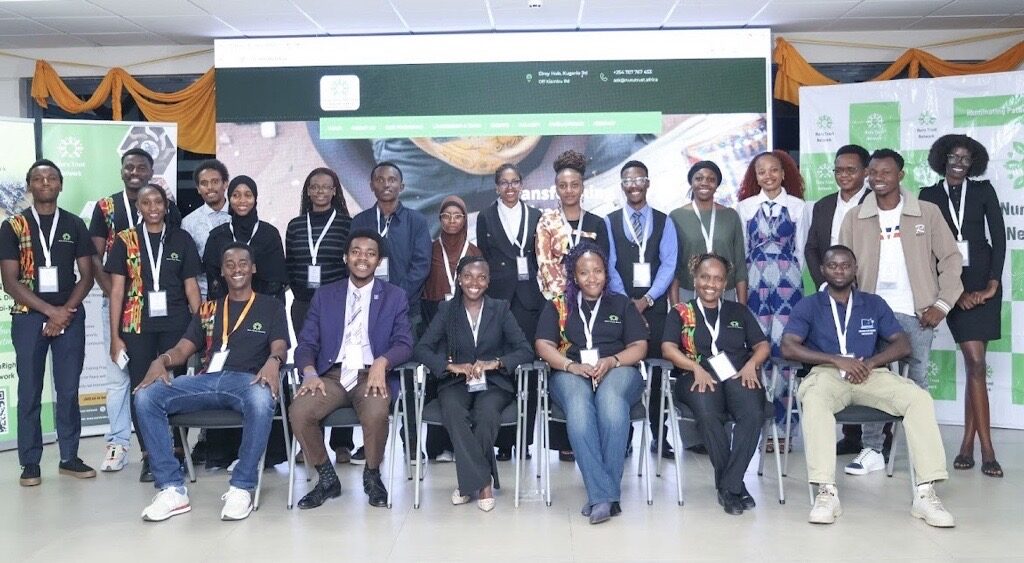
SirriSalama was one of five civic technology solutions unveiled at Afro Tech 2026, the culminating event of Nuru Trust Network’s Code for Human Rights program. Held on 20 June 2026 at USIU Africa in Nairobi, the event brought together innovators, policymakers, academics, civil society leaders, development practitioners and youth advocates to explore how technology can advance human rights while addressing some of the most pressing challenges facing communities across Kenya.
Organized by Nuru Trust Network, a Global Democracy Coalition Partner, the program challenged five teams of young innovators from across Kenya to design civic technology solutions responding to human rights challenges arising in counterterrorism and security contexts. In doing so, the program sought to strengthen democratic values in practice, creating new avenues for participation, accountability, inclusion and access to information within communities often excluded from policy and technology conversations. The initiative was grounded in a simple but insightful premise: communities themselves are best placed to identify the challenges they face and to develop solutions that uphold both security and fundamental rights.
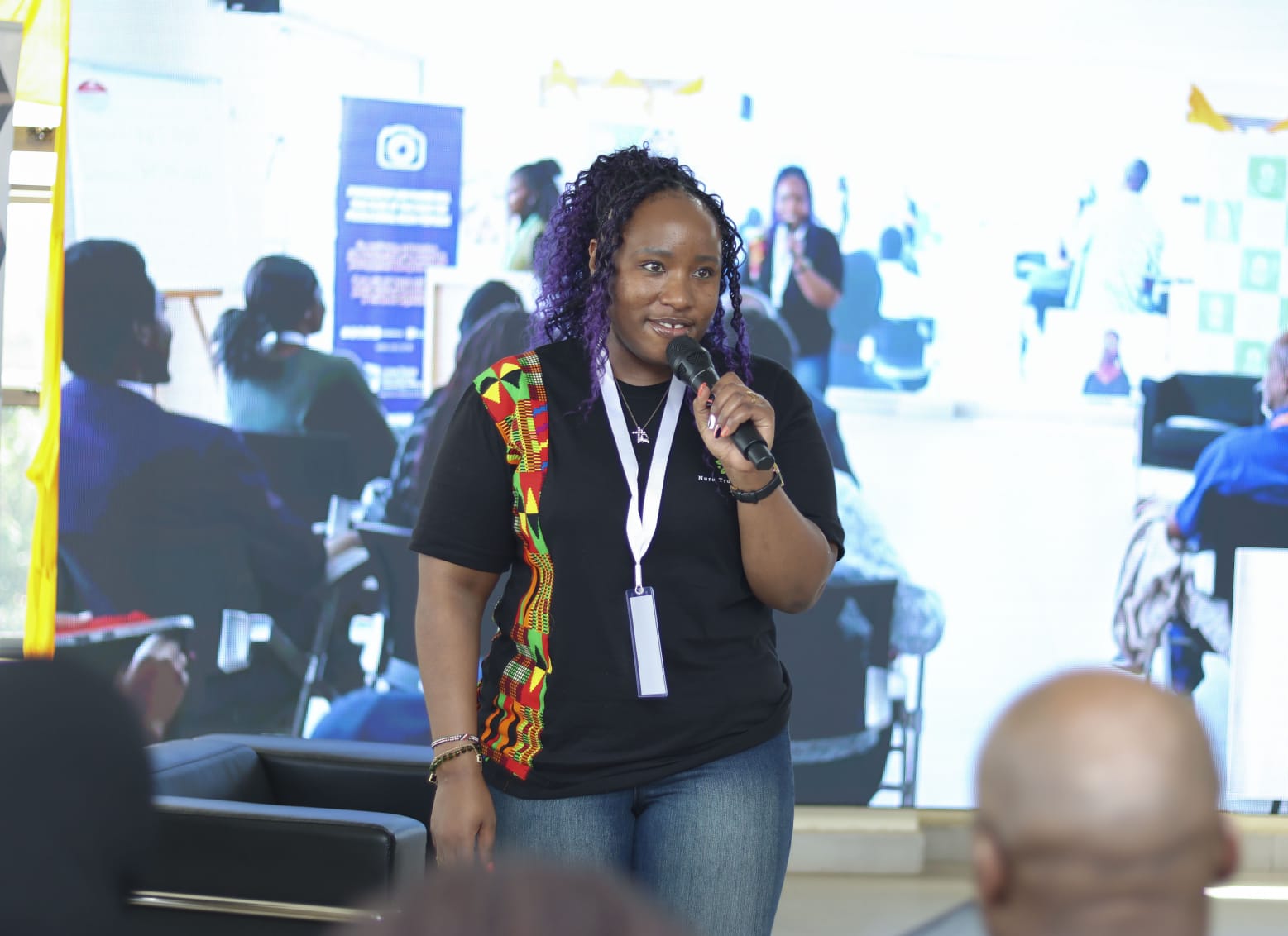
From the outset, the event centred human stories rather than technology alone. Opening the day, Nuru Trust Network Executive Director Mary Yvonne Ododah reflected on the seven-week journey that had brought participants to this moment, celebrating the commitment shown by the innovators and the mentors who had guided them throughout the program. “I love it when young people speak up. I love it when young people are bold, brave, and decide to take up a challenge,” she told the room.
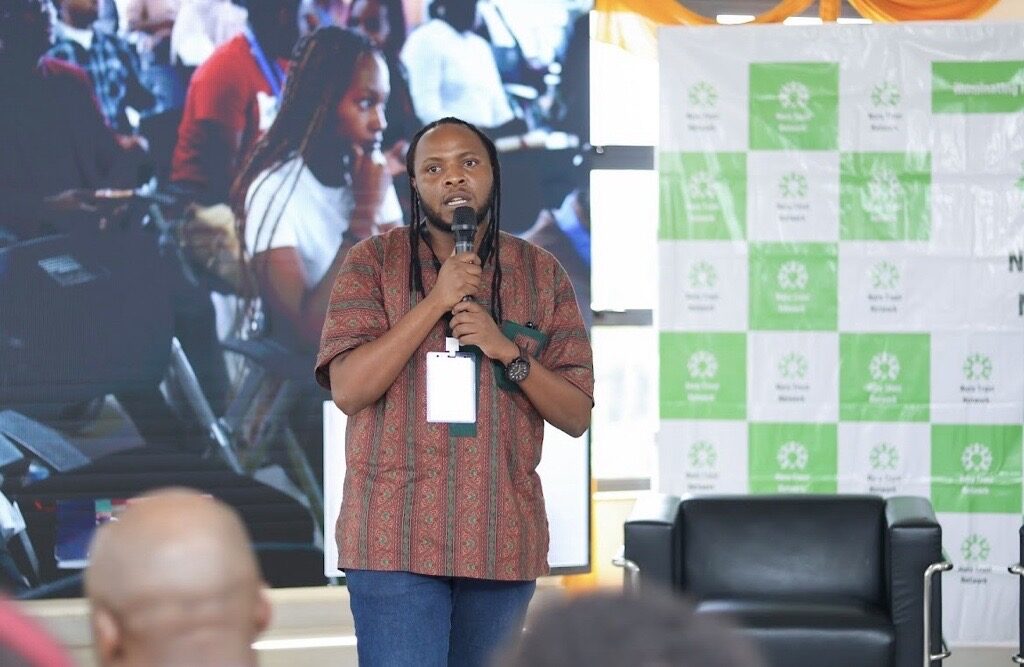
That spirit of courage and responsibility continued through opening remarks from Brian Kimari of the CSO Coalition on Human Rights and Counterterrorism. Rather than asking whether technological solutions were clever, he challenged participants to ask more difficult questions: Are they safe? Are they accessible? Do they protect communities rather than expose them? His remarks set the tone for a day that consistently returned to the ethical responsibilities accompanying innovation.
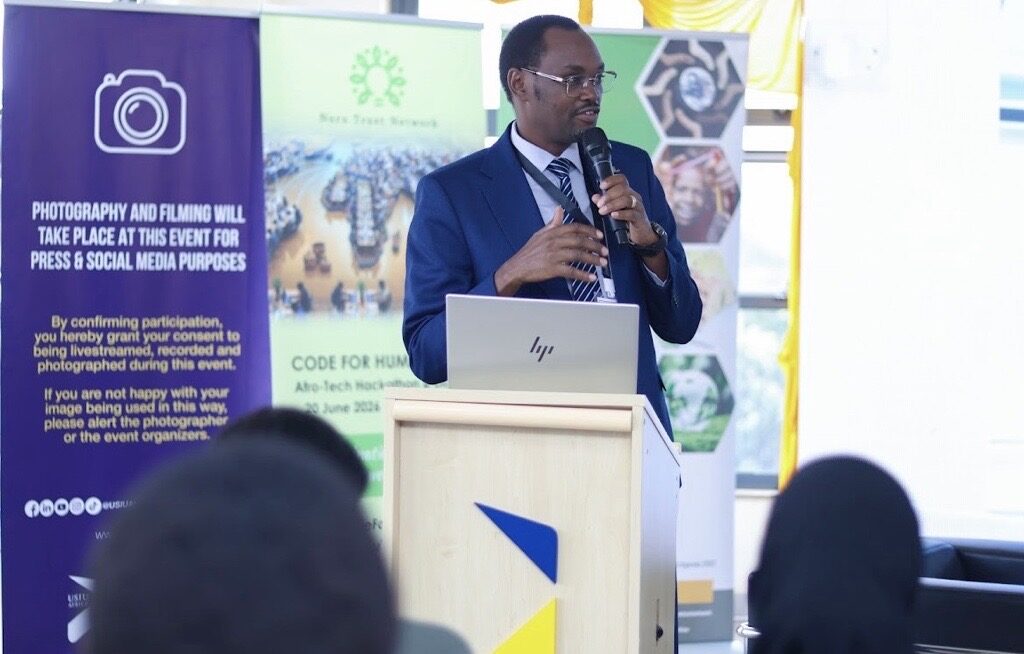
The event’s keynote address, delivered by Dr Solomon Njenga of the Mashariki Research and Policy Centre, provided a compelling reflection on the opportunities and challenges shaping Africa’s rapidly expanding technology ecosystem. Speaking on The Rise of Africa’s Tech Ecosystem: Opportunities, Challenges, Recommendations, he argued that innovation is no longer constrained by geography and that young Africans hold unprecedented power to shape their own futures. Yet innovation alone, he stressed, is not enough.
“A mobile phone in Kenya is not just communication. It is survival infrastructure,” he noted, highlighting how technology can determine access to information, emergency assistance, livelihoods and public services. At the same time, he warned that technological progress without ethics risks creating new forms of exclusion. “What we develop today defines the dignity of tomorrow,” he told participants, urging innovators to ensure that every technological solution considers who is included, who is excluded, and who controls the data.
These themes were explored further through a panel discussion moderated by Afrobarometer’s Daniel Iberi, where experts in governance, security, technology and countering violent extremism explored how communities can harness innovation while safeguarding rights, inclusion and accountability.
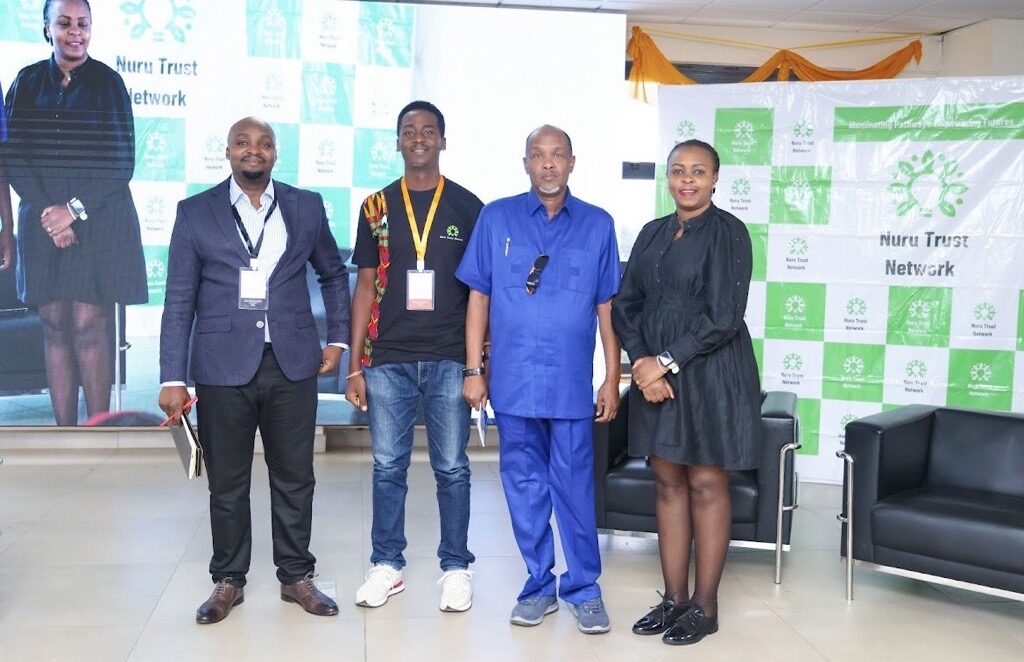
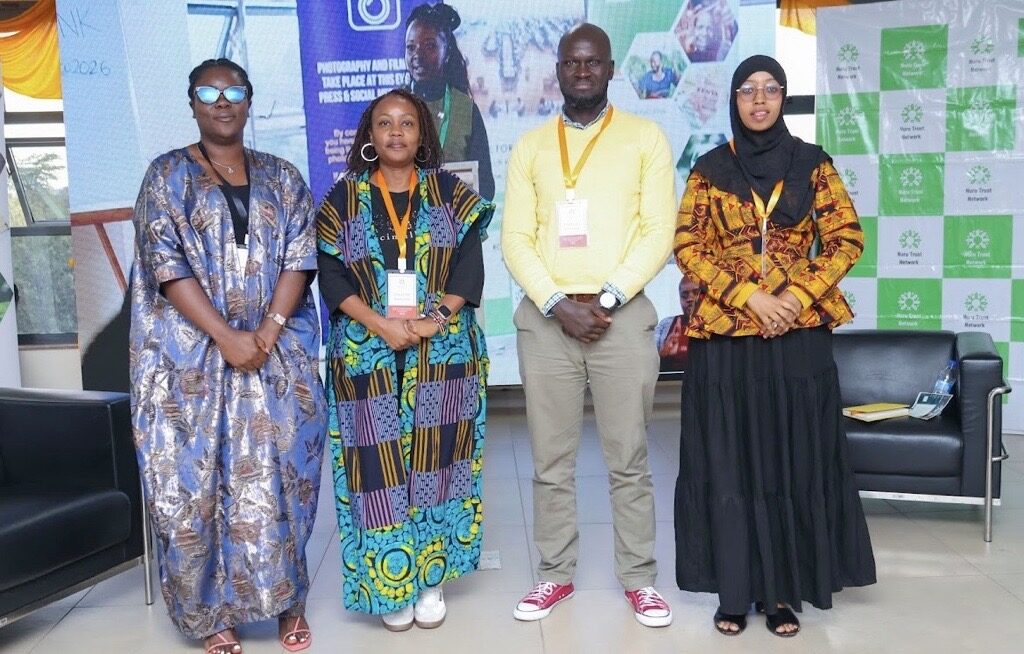
A fireside conversation on women’s participation in technology and peacebuilding further underscored the importance of inclusive innovation. Speakers reflected on the barriers women and girls face in accessing digital spaces, opportunities and decision-making processes, highlighting the need for technology ecosystems that are responsive to diverse lived experiences. Together, the discussions reinforced a central message that would echo throughout the day: technology is most effective when it is developed with communities, not simply for them.
The heart of Afro Tech 2026, however, lay in the innovation showcase itself.
Over seven weeks, five teams had worked closely with mentors and technical experts to transform community challenges into practical civic technology solutions. By Demo Day, each team presented a prototype designed to respond directly to local realities, with several solutions available for audience members to access and test on-site. In doing so, they were also challenged to address the very questions raised earlier in the day: How could technology remain accessible, protect users’ identities and strengthen communities without creating new risks?
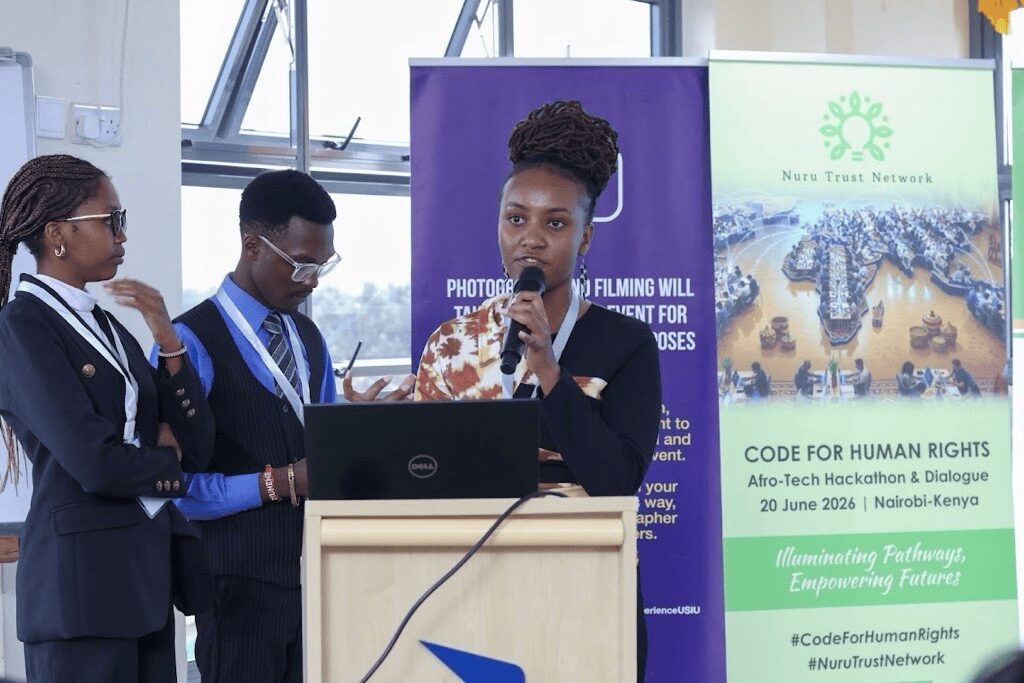
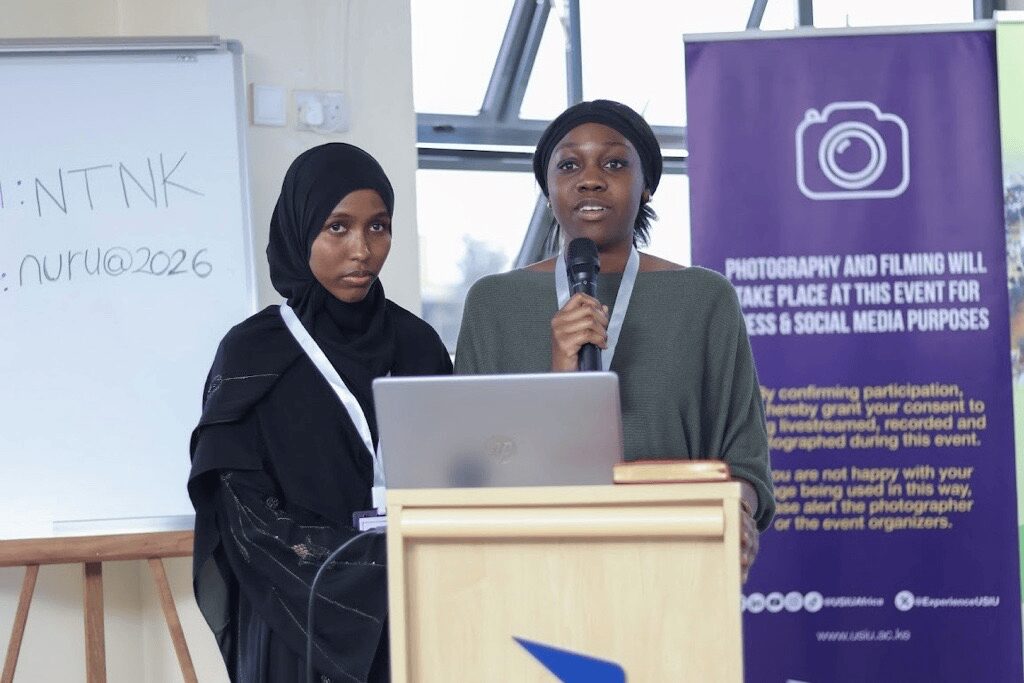
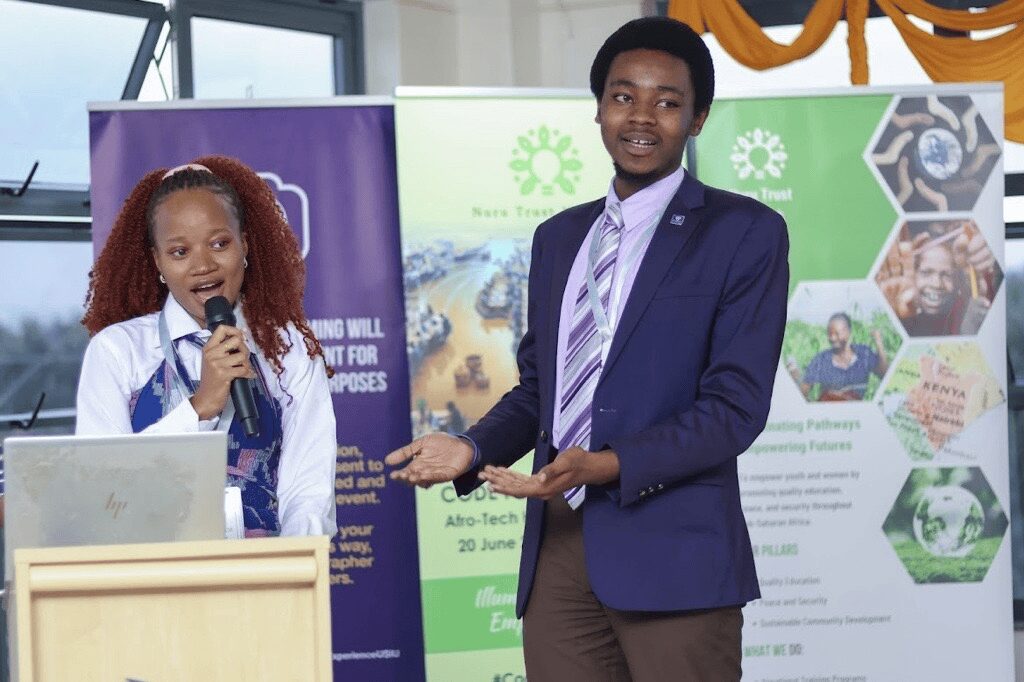
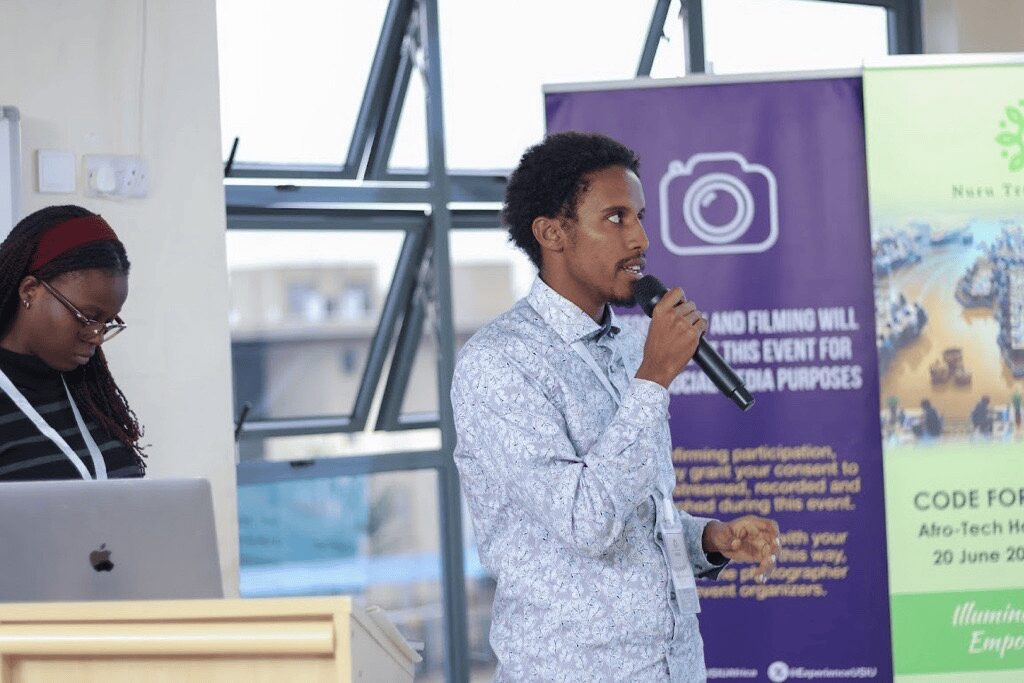
In Marsabit County, Team Marsabit developed SirriSalama, a multilingual USSD platform enabling anonymous reporting of gender-based violence, harmful practices and protection concerns through basic mobile phones, designed to connect users with trained responders and partner organizations while protecting their data and identities.
Team Kilifi unveiled BOMAVEDA, an anonymous reporting platform designed to address youth radicalisation and violence while connecting users with support services and opportunities. The platform was designed with privacy and safety in mind, using end-to-end encryption, a zero-login structure and anonymous tracking IDs that allow users to follow up on reports without revealing their identities. Reports are routed through a coordinator who can connect users with relevant authorities or community leaders while preserving anonymity.
Team Wajir introduced FURSAD, a platform combining anonymous reporting, mentorship, opportunities and intergenerational dialogue to strengthen community resilience and prevent violent extremism.
In Isiolo, innovators developed HakiYetu Governance Tracker, a citizen-centred platform helping residents monitor projects, track budgets and engage more actively in local governance.
Team Baringo presented NGO’Data, an offline climate-security tool enabling remote communities to document emerging threats and contribute to local early warning systems.
Beyond the technical features of the platforms, the presentations revealed how deeply the teams had grounded their work in community realities. Reflecting on the programme, one innovator captured a principle that repeatedly surfaced throughout the day: “Build with the community, not only for the community. Include the people while building.” The sentiment echoed across the five projects, each of which had been designed in response to challenges identified by the communities they sought to serve.
In many ways, the showcase provided practical answers to the questions raised during the opening session. All five solutions were reviewed against the programme’s safety and responsible-data criteria, including considerations around privacy, anonymity and potential risks to users. Many also prioritised accessibility through USSD functionality, multilingual interfaces or offline capabilities. For example, SirriSalama was designed to allow users to report concerns anonymously without requiring internet access or a smartphone, while BOMAVEDA incorporated end-to-end encryption and anonymous tracking IDs to help protect users’ identities. Together, the projects demonstrated that innovation and human rights protection can be mutually reinforcing rather than competing objectives.
Following deliberations by the judging panel, the top prize of 40,000 KES was awarded to Team Wajir’s FURSAD platform. Team Kilifi’s BOMAVEDA placed second with an award of 25,000 KES, while Team Marsabit’s SirriSalama secured third place with an award of 15,000 KES. The winning teams were also selected to enter Nuru Trust Network’s Sauti Stack incubation program, where they will receive ongoing support to further develop and scale their innovations.
Yet the true success of Afro Tech 2026 was not determined by who finished in first place. It was found in the ideas that emerged from communities too often excluded from technology conversations; in the young innovators who refused to accept that human rights and security must exist in opposition to one another; and in the conviction that local knowledge, when paired with innovation, can produce solutions of remarkable sophistication and relevance.
Across every presentation, discussion and prototype, a common thread emerged: the people closest to a challenge are often closest to its solution. Whether addressing gender-based violence, community resilience, governance accountability or climate security, the innovators demonstrated how technology can strengthen rights, expand participation and build bridges between communities and institutions. By creating new channels for community reporting, improving access to information, supporting public accountability and elevating voices often excluded from decision-making processes, the projects illustrated how democratic values can be translated into tangible action through civic innovation.
The programme’s impact extended beyond the platforms themselves. As one participant reflected, “I will not wait to feel perfect before doing anything.” That sense of confidence and agency was visible throughout Afro Tech 2026, not only in the solutions presented, but in the growing community of young innovators committed to shaping the future of technology on their own terms.
As participants left USIU Africa at the close of the day, they carried more than certificates, prizes or prototype demonstrations. They carried new partnerships, renewed confidence and the experience of building solutions rooted in their communities’ realities. In a world increasingly shaped by digital technologies, the question is no longer whether innovation will transform our societies, but who will shape that transformation and on whose behalf. The young innovators of Code for Human Rights delivered a compelling answer. They demonstrated that the future of civic technology in Africa is not only innovative, it is ethical, inclusive and community-driven. And if Afro Tech 2026 is any indication, that future is already being built.
Published 8 July 2026
Author’s Note: The author participated in the Code for Human Rights programme as a mentor to the youth innovators and served on the judging panel for Afro Tech 2026 in her capacity as Programme Associate for the Global Democracy Coalition.
About the Author

Nicolette Karina Kalfas
Programme Associate, Global Democracy Coalition
Nicolette Karina Kalfas serves as a Program Associate for the Global Democracy Coalition, a dynamic multi-stakeholder alliance dedicated to advancing and safeguarding democracy worldwide. Nicolette’s tenure with International IDEA began in April 2024, where she plays a pivotal role in orchestrating the GDC Regional and Global Forums, advocacy campaigns, and Podcast series.
She also runs all communications for the Coalition by leading the development, publication, and dissemination of the Global Democracy Coalition newsletter and support the creation of knowledge products. She regularly updates and maintains the Coalition’s website, manages digital library resources, monitors global media coverage related to democracy and Coalition campaigns, and identifies opportunities for strategic engagement and response.